Pages

Showing posts with label Holiday Reading Challenge. Show all posts

Wednesday, 11 December 2019

Summer Learning Journey: Week 1 Day 3 Activity 3 (Teaser Week)

For this activity, please think of someone who has had a positive impact on your life. Who is this person? What did they do that was positive?

On your blog, please tell us about this person.

Please remember to be Cybersmart and provide their first name only (unless they are a famous person!).


Someone that's had a positive impact on my life is my Mum, she's encouraged me to do my bet in school and out of it. She pushes me to do well and I try not to let her down. 

Summer Learning Journey: Week 1 Day 3 Activity 2 (Teaser Week)

For this activity I needed to ask people that I knew what their proudest achievement to date was, I ask Matthew, Karlos and Victoria. Mathew said that he was proud of getting into a rugby club, Karlos was proud of being confident when speaking to a large crowd and Victoria was proud of her CARE award.

Summer Learning Journey: Week 1 Day 3 Activity 1 (Teaser Week)

For this activity, please watch this short introductory video from The Water Project.

On your blog, share what you have learned about The Water Project with us. What is the goal of the organisation? Where do they work? What have they achieved?
For the first activity of the third day I needed to research and write about the water project which is an African organisation that's trying to give young girls in Africa a proper education. After watching the video on the organisation I found out that millions of people go without clean water every day, and many people die to water borne illnesses.

Summer Learning Journey: Week 1 Day 2 Activity 2 (Teaser Week)

For this activity, please think about this issue of the gender pay gap carefully. It is quite controversial (some people agree with it and some people disagree with it).
On your blog, tell us what you think. Is it fair? Why or why not? Be sure to explain exactly why you feel the way that you do.


I think that the gender wage gap (at least in sports) is false, the amount of money that a sport receives is based on the attention that it gathers. Football is the most watched sport in the world, and therefor, its players will earn more money than players of rugby. You might say that it's sexist for women to be paid less than their male counterparts but I say that it's just the factor of attention. The main reason why females are paid less than men is because they're weaker. Men are genetically stronger than women, and that's why whenever a transgender man joins a female league, they'd dominate the competition. Tell me, when the male and female rugby world cups were on; which match lineups would you pay more attention to? What team would you care more about? The reason for male sports being more popular is due to their strength, in a sport like rugby it's far more entertaining to see huge guys crash into each other, than it is to watch smaller women do the same thing. 

Tuesday, 10 December 2019

Summer Learning Journey: Week 1 Day 2 Activity 1

For this activity, please create four new similes. You can use the starters below or you can make up your own.

… is as fast as… (eg: The brand new Ferrari is as fast as a lightning bolt)
… is as tall as…
… is as small as…
… is beautiful like...
On your blog, share the similes that you have created with your readers.
For the second activity of the second day I needed to write out some similes and post them onto my blog. 

Summer Learning Journey: Week 1 Day 1 Activity 2 & 3


For the second activity of the first week of the summer learning journey I needed to create my own pepeha. For the third activity I needed to draw and describe the BFG from Roald Dahl's famous book. I tried to make him as goofy as possible.

Monday, 9 December 2019

Summer Learning Journey: Week 1 Day 1 Activity 1

 
Today for the summer learning journey LS2, Room 5 and LS1 are working on the teaser tasks, the first activity is on Lorde. I needed to research Lorde and list at least 5 facts about her. This year's summer learning journey's topic is change makers.

Thursday, 17 January 2019

Activity 3: Concluding the Journey

Sadly, the Summer Learning Journey has now come to an end. It is time to reflect on everything that you have learned about the environment and, particularly, about how you can protect and preserve it.


On your blog please tell us:

  1. What is one thing that you learned from participating in the Summer Learning Journey programme this year?
  2. What is one thing that surprised you?
  3. What is one thing that concerned or upset you?
  4. What is one thing that you (or your family) can do, moving forward, to help protect our natural environment?
Answers:

1. I learnt about different species alive, endangered and extinct.
2. That you could adopt animals like giraffes and pandas.
3. The fact that people need to protect wildlife reserves from poachers and hunters.
4. To stop using plastic as much.

Activity 2: Adoption Day

Not only can you help the planet by reducing, reusing and recycling, you can also help to save animals and plants by ‘adopting’ them. To ‘adopt’ an animal through the World Wildlife Fund (WWF), you need to visit their adopt a species page, read through the list of animals and choose one.
With the WWF, you don’t actually adopt the animal and bring it home! It’s a symbolic adoption. In this case you pay a fee ($55.00) and the money is used to provide food and care for your chosen animal. Visit the WWF site and take a look at the animals who are available for adoption. Choose your ‘top three’ animals from the website.
On your blog, list the three animals that you have chosen and then compare and contrast them. How are they similar? How are they different? At the bottom of your post, tell us which of the three animals you would most like to adopt..
The three animals that I would want to adopt are the Pygmy Rabbit, a Macaw and a Panda.
They're similar because they are all warm climate animals, so if they were in New Zealand they'd be able to cope with the heat.
They're different because they eat different things and live in different habitats.
The one that I'd most likely adopt is the pygmy rabbit because it costs less to take care of and is less of a mess to clean up after.

Activity 1: Environment Day - Beat Plastic Pollution


Every year we celebrate World Environment Day in June. On World Environment Day we do what we can to protect our planet. This year the focus is on reducing the use of plastic bags and water bottles. Watch this Environment Day video to learn more about it!
What could you and your family do to protect the planet?
On your blog tell us three things that you could do to help save the planet.
Three things that I could do to help save the planet are to stop using plastic bags as much or at all, pick up rubbish lying around, and recycle recyclable items.

Activity 3: Restricted Access

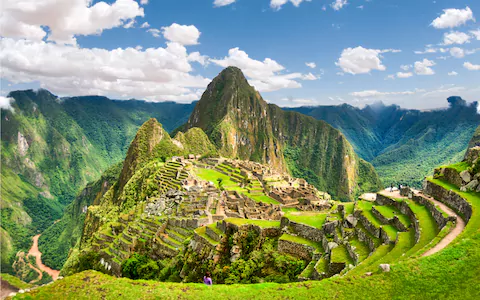
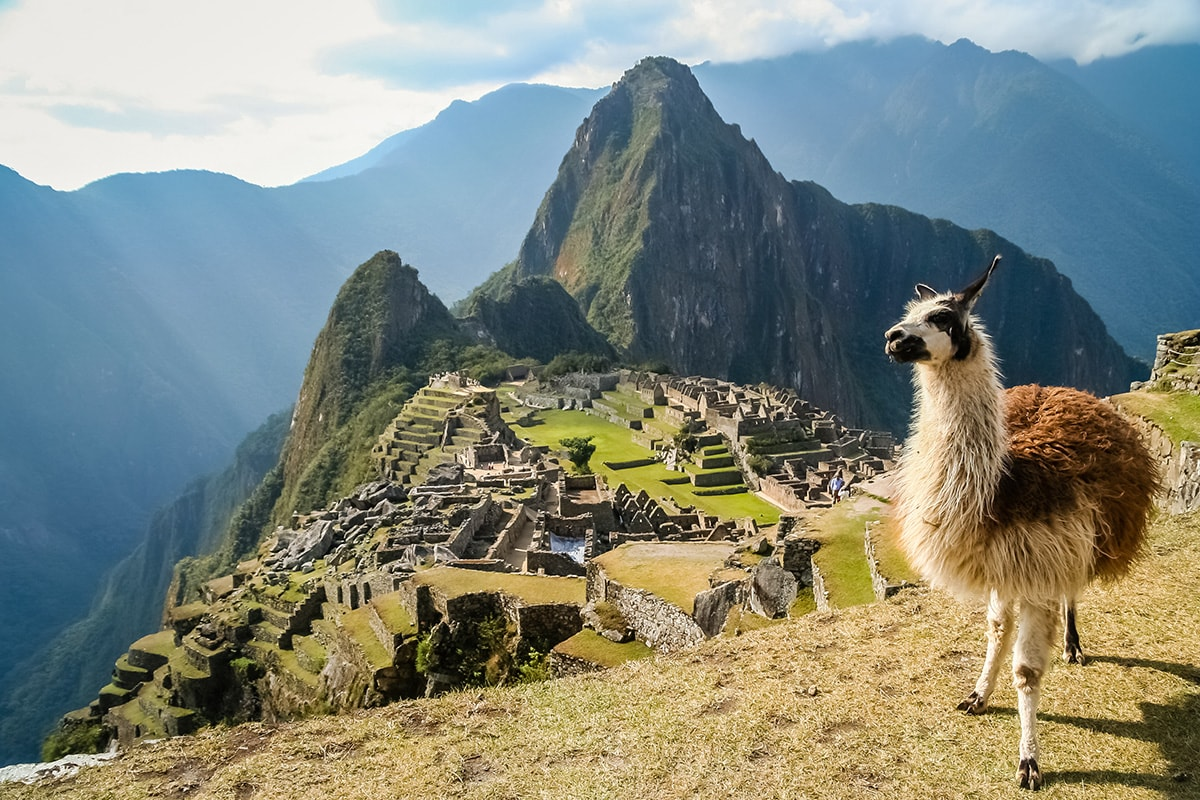
While much of our programme has focused on New Zealand, it is important that we also consider the environment in other places as well. One of the most unusual and spectacular sites to visit outside of New Zealand is called Machu Picchu. It is an ancient city that was built high up in the mountains in the country of Peru in South America. You have to take a train and/or walk through a series of mountains and valleys to reach it.
    
Over the past few decades millions of tourists have made the trek to Machu Picchu. Unfortunately, this has damaged the area and the local government has decided to restrict the number of visitors to the site each year. This decision has upset a lot of tourists who really want to see Machu Picchu but aren’t allowed to go.
On your blog, tell us what you think about the government’s decision to restrict the number of tourists able to visit this special site. Is it fair? Be sure to tell us why you feel the way that you do.
I think that the government's decision is a good one because I'd prefer not be able to visit the Machu Picchu once than never being able to visit it because of damage. I also think that restricting people's access to the structure might make people treasure their trip more, and make them think twice about damaging, littering or doing anything that they're not supposed to.

Activity 2: The Plastic Pledge

Over the past few decades some of New Zealand’s beaches have become dumping grounds for waste and rubbish. Almost 80% of this waste is made up of plastic items. Yikes!
Some companies in New Zealand have heard about the problem and agreed to cut down on their use of plastic. Countdown supermarkets, for example, have announced that they will stop giving out plastic bags to customers.  What do you think of this idea? What do your friends and family think? Is it a good idea or not?
For this activity, please ask one member of your family and/or a friend what they think about Countdown’s decision to go ‘plastic bag free.’
On your blog, tell us what they think about Countdown’s decision to stop using plastic bags
I asked my brother Daniel and he said that it was a good idea to stop plastic bags from flying everywhere and choking sea creatures and animals, and my Mum said that it's a start for stopping or getting rid of pollution.

Activity 1: Campaigning for Conservation

New Zealand is home to so many beautiful, unique and, sometimes, endangered animals and habitats. The Forest & Bird organisation is working really hard to protect vulnerable animals and places in NZ. They are doing everything that they can to raise money and to raise awareness so that everyone knows about these issues. These are called ‘campaigns.’ Check out the Forest & Bird campaigns site to learn more about them.
Imagine, that you have been hired by Forest & Bird New Zealand to work on one of their campaigns. It is your job to come up with a catchy slogan for the campaign. A slogan is a short phrase or sentence that is used to advertise something. Check out examples of common slogans and logos below.
 
On your blog, tell us which campaign you have chosen to support and provide us with a slogan for that campaign.
The campaign that I chose to make a slogan for is the kauri die back campaign, I'm not sure if my slogan is any good but I gave it a try anyway.
"Fight back the die back"

Activity 3: The Power of Ten

Sir David Attenborough is a famous TV presenter from England who loves nature and the natural world. He has spent his career filming documentaries about the planet and working hard to protect it. In a recent interview, Sir David was asked to reflect on all that he had learned and to imagine that he had suddenly been given the power to save 10 animals and/or plants from extinction (disappearing forever).
After thinking about the question, he listed these 10 species (animals/plants):

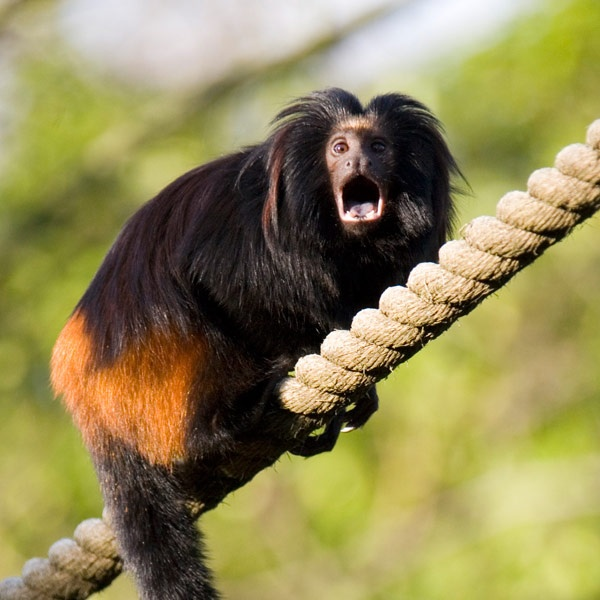
1. Black Lion Tamarin (pictured to the right)

Let’s imagine that you had the same power and that you could save 10 species (animals or plants) from extinction. Who would you save? If I had the choice I would probably save animals like the elephant, white tiger and rhinoceros because they are unique and have lived for centuries on earth. I would also like to save some of my favourite flowers including hydrangeas and calla lily flowers. What about you?
On your blog, list 10 species (animals or plants) that you would protect from extinction. For each one, give a reason as to why you think it is important to protect.
1. Bengal Tigers because there are less than 2,500 of them left.
2. The Western Black Rhinoceros because they went extinct years ago.
3. The Kakapo because it's native to New Zealand.
4. The Dodo because I've always wanted to see what they looked like when they were alive.
5. The Kokako because they are native to New Zealand.
6. Black Robins because there are only a few of them left.
7. The Sumatran Elephant because there are only 2,400 - 2,800 of them left.
8. The Giant Panda because pandas are losing their habitats.
9. Polar bears because global warming is melting Antarctica.
10. Narwhales because they're my favourite sea creatures.

Activity 2: Protecting the Most Vulnerable - Fact or Fiction?

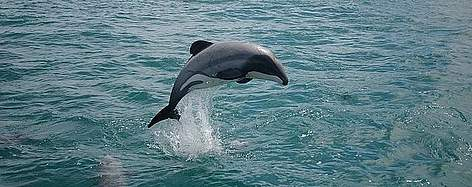
Here in New Zealand we have a native dolphin, the Māui Dolphin, that is on the verge of extinction (disappearing forever). As of this year, there are only 63 Māui dolphins left and people predict that they will be extinct by 2033. Environmentalists and activists, including the World Wildlife Fund (WWF), are working hard to save the dolphin because it is such a special and unique animal. To learn more about the Māui Dolphin, please follow this link. If you would like to sign a petition from the WWF encouraging the New Zealand government to take action to save the Maui Dolphin, please follow this link.
Once you have learned more about this unique dolphin, it is time for you to share your learning with us.
On your blog, post three facts that you learned about the Māui Dolphin. Then, using your imagination, create three more statements about Māui dolphins that are not true (i.e. false). Please don’t tell us which of your statements about Māui Dolphins are true and which are false. It will be the job of the students and staff who read your blog to figure it out.
My facts:
1. The Maui dolphin is the smallest dolphin in the world.
2. There are only 63 Maui dolphins left.
3. Maui dolphins eat babies.
4. Maui dolphins use sonar.
5. Maui dolphins are vegetarian.
6. Maui dolphins have water fights.

Activity 1: Predator Free 2050 – A Call to Arms

There is currently a huge drive to get rid of all predators from New Zealand. Predators are animals that, in some way, damage our natural environment. Many organisations are working hard to accomplish this goal.

Click on the links below to watch videos about three of the current projects operating to make New Zealand ‘Predator Free by 2050.’
Predator Free Video #1: Cacophony Project
Predator Free Video #2: Taranaki Mounga Project
Predator Free Video #3: Zero Invasive Predators (ZIP)

On your blog, tell us which one of the videos you liked the best and why..
The video that I liked most was the first one because it's about a guy who invents traps that use sound and food to help get rid of predators.

Activity 3: A House is Not a Home

New Zealand is home to some unique wildlife that cannot be found anywhere else in the world. While we work very hard to protect our natural habitats so, too, do people living and working in other countries. One of the oldest international wildlife conservation organisations is called ‘Fauna & Flora International’ (FFI). They support a number of projects around the world, including those working to protect Lansan trees in the Caribbean, fruit forests in Tajikistan, and national reserves in Mozambique. Read about each of these projects and choose the one that interests you the most.
On your blog, tell us which project you find most interesting and why..
I found the national reserves in Mozambique interesting because although the reserve is actually 4.2 million hectares, the real reserve (the one they protect) is only 586,800 hectares.

Activity 2: A Protective Plant

There are concerns about the water quality of some of the rivers, streams and oceans in and around New Zealand. Some people have suggested that we plant flowers and plants on the banks of our most polluted rivers to stop the spread of the pollution. Apparently, the plants can act as filters, absorbing some of the chemicals (pollutants) that are moving across the land, on their way to the river.
Planting can be a lot of fun! Have you ever planted a garden? Aronui and I are going to make our very own edible garden this year. We are going to plant a number of veggies, fruits and herbs, including mint, coriander, parsley, lemongrass, onions, tomatoes, beans, zucchinis, kumara and strawberries. Yum! If you could plant an edible garden what would you plant in it?


On your blog list 10 veggies, fruits, or herbs that you would plant in your garden.
1. Cucumber.
2. Tomatoes.
4. Apples.
5. Peaches.
6. Lettuce.
7. Cabbage.
8. Onions.
9. Mushrooms.
10. Pickles.

Activity 1: A Flying Fox

New Zealand has some of the most beautiful forests in the world. Both New Zealanders and tourists, alike, enjoy walking through these forests. Unfortunately, constantly walking through forests can damage the plants and animals (flora and fauna) that live there. In an attempt to protect the local flora and fauna, an eco-tourism company in Rotorua came up with an idea. The Rotorua Canopy Tours Company designed a series of ziplines that sit above the forest canopy (top). People can ‘zip’ from one section of the forest to another, looking down on the beautiful natural areas below. To see what ziplining looks like, check out this video.
I have tried ziplining and I really enjoyed it, however, I must admit that I was pretty scared to try it at first. How would you feel if you had the chance to go ziplining in Rotorua?
On your blog, tell us how you would feel about going ziplining in Rotorua. Try to use some descriptive words (adjectives) and action words (verbs) in your post!.
I think I would do alright at ziplining but I'm not a heights person so I might just be terrified for the whole trip, the one part that I think I'd like is the high speeds that I'd been going at and unless they advise against it I'd want to spin around and hold my arms out.

Activity 3: The Sky in Shanghai

One day I would really like to travel to China. It is a country with a rich history, vibrant cities, tasty food, and fascinating architecture   (buildings). Unfortunately, some of the largest Chinese cities have high rates of air pollution. The air pollution in Beijing, one of the largest cities in China, can get so bad that roads are closed, flights are cancelled and events are postponed while they wait for the smog in the air to clear. The terrible pollution is also having fatal (deadly) effects as, approximately, 1.1 million people in China died last year from air pollution-related causes. The Chinese government is very concerned and they have introduced a number of strategies (ideas) to reduce the pollution levels. Imagine that you were asked to travel to Beijing. How would you feel?
On your blog, write a poem that describes your feelings about travelling to Beijing, China..

The stinky smell, brings merry hell to my nose. The thick smog in the air slowly creeps beneath my hair. People wear masks even to complete the simplest of tasks. New ideas are made to stop this bane.